3 hr
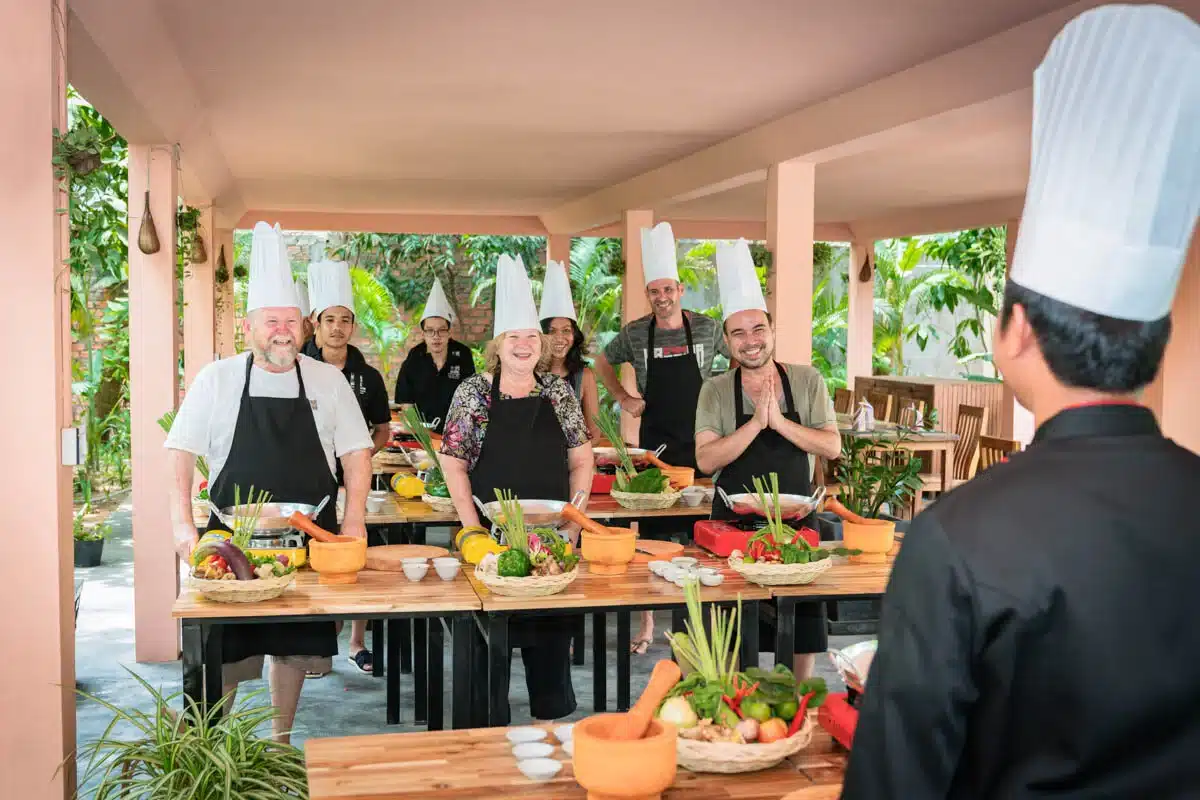
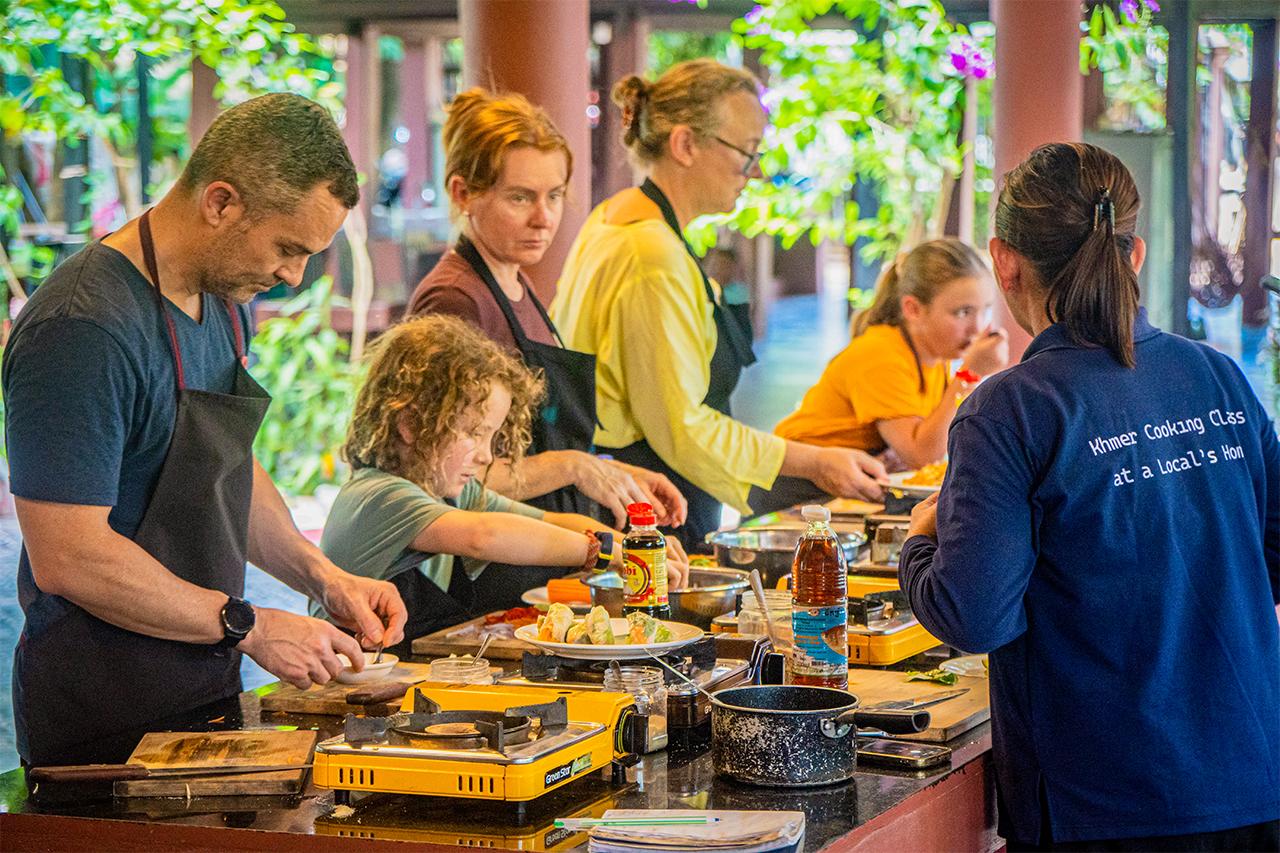
Khmer Cooking Class at a Local's Home
Learn to cook authentic Cambodian dishes in a family kitchen after shopping at a vibrant local market.
Reserve
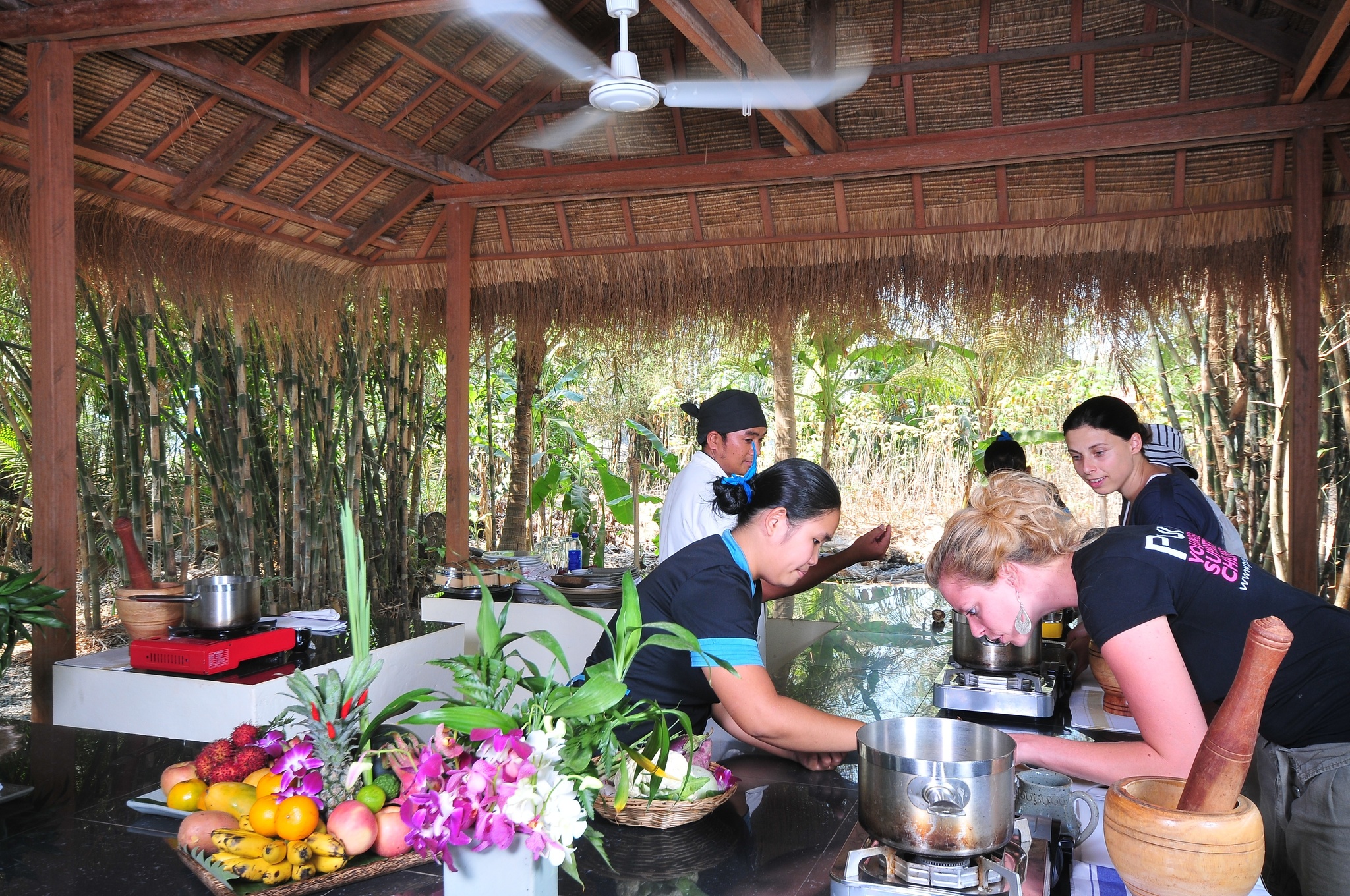
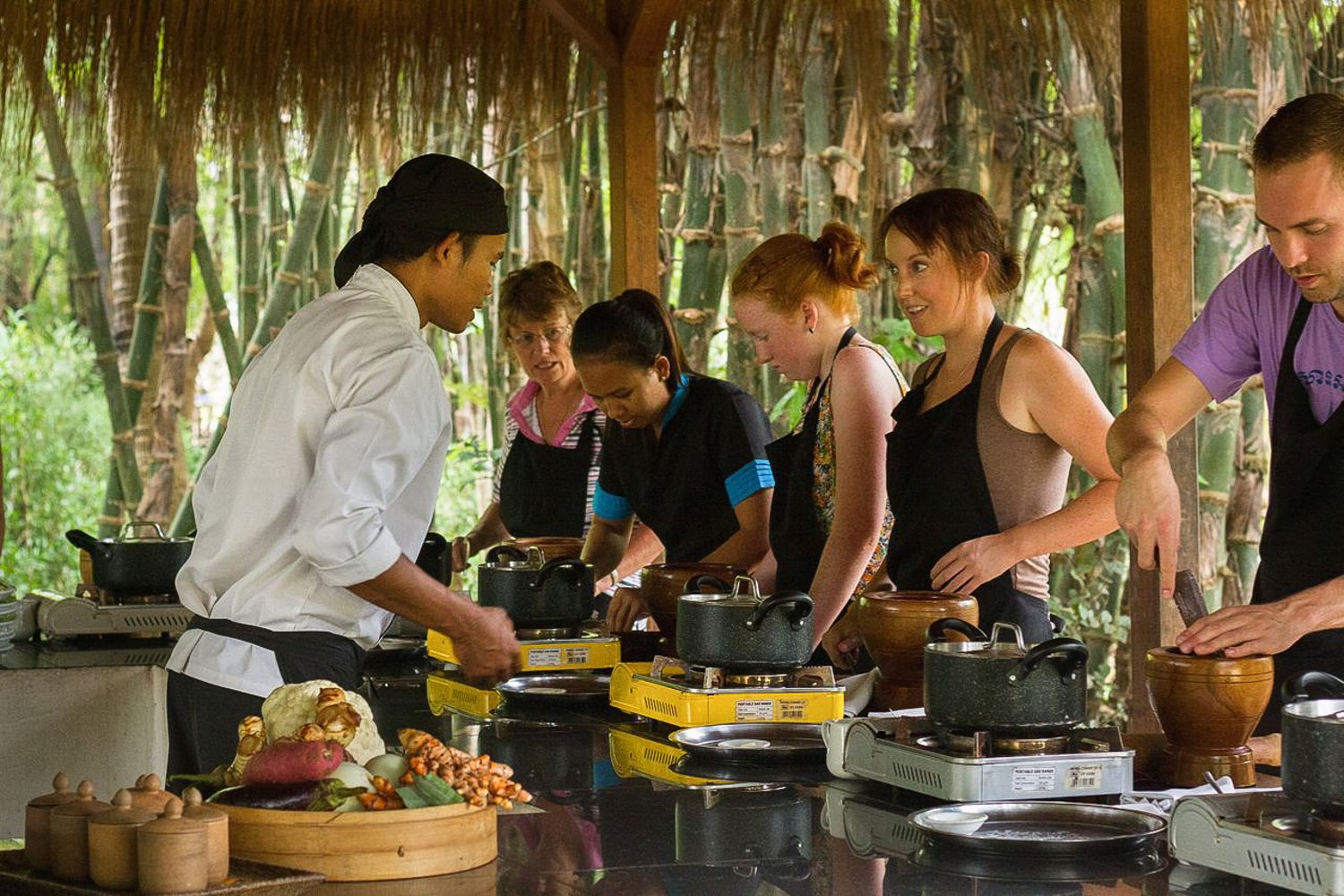
Market-fresh ingredients, ancient recipes adapted for modern palates
Hand-picked by our editors — only the best 5 experiences from 23 reviewed.
Verified partners for every tour, free cancellation where available, and instant confirmation on every booking.
3 hr
Learn to cook authentic Cambodian dishes in a family kitchen after shopping at a vibrant local market.
Reserve
3 hr 30 min
Master traditional Khmer dishes in a rural setting, from market garden to table
Reserve
3 hr
Master authentic Khmer dishes at a local market and garden kitchen with expert chef guidance
ReservePrices from verified partners. Availability updates in real time at checkout. Free cancellation policies apply where shown.
The landmarks, rooms, and views travelers on this tour remember — all visible on a single visit.
Learn about native spices and aromatic plants used in Khmer cooking.
Work with classic clay stoves used for authentic flavor profiles.
Select fresh ingredients during an guided tour of local markets.
Master the art of pounding traditional curry pastes by hand.
Practice basic techniques for creating edible vegetable decorations.
The in-town Khmer Cooking Class offers superior convenience for busy schedules, while the village farm-to-table session provides a deeper connection to local agriculture; choosing between these vegetarian cooking class siem reap tours depends on your appetite for travel.
| Feature | Top pick Khmer Cooking Class | Village Farm-to-Table |
|---|---|---|
Environment |
Controlled urban kitchen | Rural outdoor setting |
Travel Time |
0 minutes (in-town) | 30–45 minutes |
Depth of Cultural Exposure |
Culinary techniques focus | Agricultural and community immersion |
Hands-on Engagement |
Ingredient preparation | Harvesting to preparation |
Group Size |
Small group capacity | Small to medium groups |
| See tickets → |
Verdict: Opt for this vegetarian cooking class siem reap tour if you prioritize proximity to city amenities, or choose the farm experience to better understand the provenance of your ingredients via these vegetarian cooking class siem reap tickets.
Choose your ticket, select your date, and reserve in under two minutes. Secure checkout handled by our verified partner.
Instant confirmation by email, with a mobile voucher you can save offline. No printing, no queuing at a collection desk.
Arrive at the entrance, show your voucher on your phone, and walk in. Most tickets include priority or skip-the-line access.
Best time to go, insider tips, nearby landmarks, and the cancellation fine print — flip through to skim what matters to you.
How crowds, weather, and events shift across the year.
March to May are warm and ideal for morning market tours.
June to August brings occasional rain but vibrant market produce.
September to November is pleasant for a vegetarian cooking class siem reap.
December to February offers cool temperatures perfect for outdoor activities.
Small details that turn a good visit into a great one.
Secure your spot for your vegetarian cooking class siem reap by booking online.
The best arrival window is 09:00–16:00 to catch market activity.
Drink plenty of water before starting your vegetarian cooking class siem reap.
Interact with your chef to learn the history of Khmer spices.
Non-bookable sights within a short walk — free to visit, easy to pair.
A colorful, active monastery in the center of town.
The heart of local trade for fresh ingredients.
A scenic river perfect for a walk before class.
A green space featuring lush tropical plants.
Flexible, no hidden fees.
Full refunds are available for cancellations made at least 48 hours before the scheduled class. No entrance fee of 0 USD is charged for venue entry as this is a service-based activity.
Hand-picked options within walking distance — pick a district for vibe, or a specific hotel for convenience.
High-end stay with full amenities
Intimate local style accommodation
Affordable options for travelers
Cambodia's culinary tradition evolved for centuries around Buddhist monasteries, where monks refined plant-based variations of royal Khmer dishes using galangal, lemongrass, and kaffir lime in place of fish paste. These vegetarian adaptations—rarely documented in colonial-era cookbooks—survived through oral transmission in temple kitchens and rural villages. Today's vegetarian cooking class Siem Reap offerings revive those techniques, pairing morning market sourcing with hands-on preparation in family compounds where grandmothers still grind spice pastes by mortar. The province's wet-rice paddies and riverbank gardens yield ingredients central to meat-free Khmer cooking: morning glory, banana blossoms, green papaya, and aromatic herbs that form the backbone of vegetarian amok, lok lak, and nom banh chok. Instructors demonstrate knife skills honed over decades—julienning vegetables into fine threads, bruising lemongrass stalks to release oil, folding banana leaves into steaming parcels. Each dish balances the five Khmer flavor pillars: salty, sweet, sour, bitter, and umami derived from fermented bean pastes rather than prahok. Sessions unfold in open-air kitchens where charcoal stoves and clay pots reproduce conditions unchanged since Angkorian times. Participants grind turmeric and galangal into kroeung paste, the aromatic foundation of Cambodian curries, then simmer coconut milk with palm sugar to achieve the caramelized depth characteristic of plant-based lok lak. The vegetarian cooking class Siem Reap tour structure mirrors traditional Khmer hospitality: market walk at dawn when vendors arrange produce by color and season, followed by three-hour cooking practicum and family-style lunch on woven mats. Recipes adapt to dietary restrictions—vegan, gluten-free, allium-free—while preserving the layered spice profiles that distinguish Khmer cuisine from neighboring Thai and Vietnamese traditions. Participants leave with handwritten recipe cards in Khmer script and English translation, a culinary passport valid across Southeast Asia's Buddhist temple networks.
"These vegetarian adaptations survived through oral transmission in temple kitchens and rural villages."
Please contact us for more information.