English| EUR
Suggested for you
More currencies
Choose a language
Siem Reap's culinary schools offer travelers a tactile introduction to Cambodian cuisine, blending market expeditions with hands-on preparation. Most sessions run three to four hours and conclude with a shared meal of the dishes you've prepared. Understanding the schedule, cost structure, and what each session includes helps you choose the right experience.
Quick answer
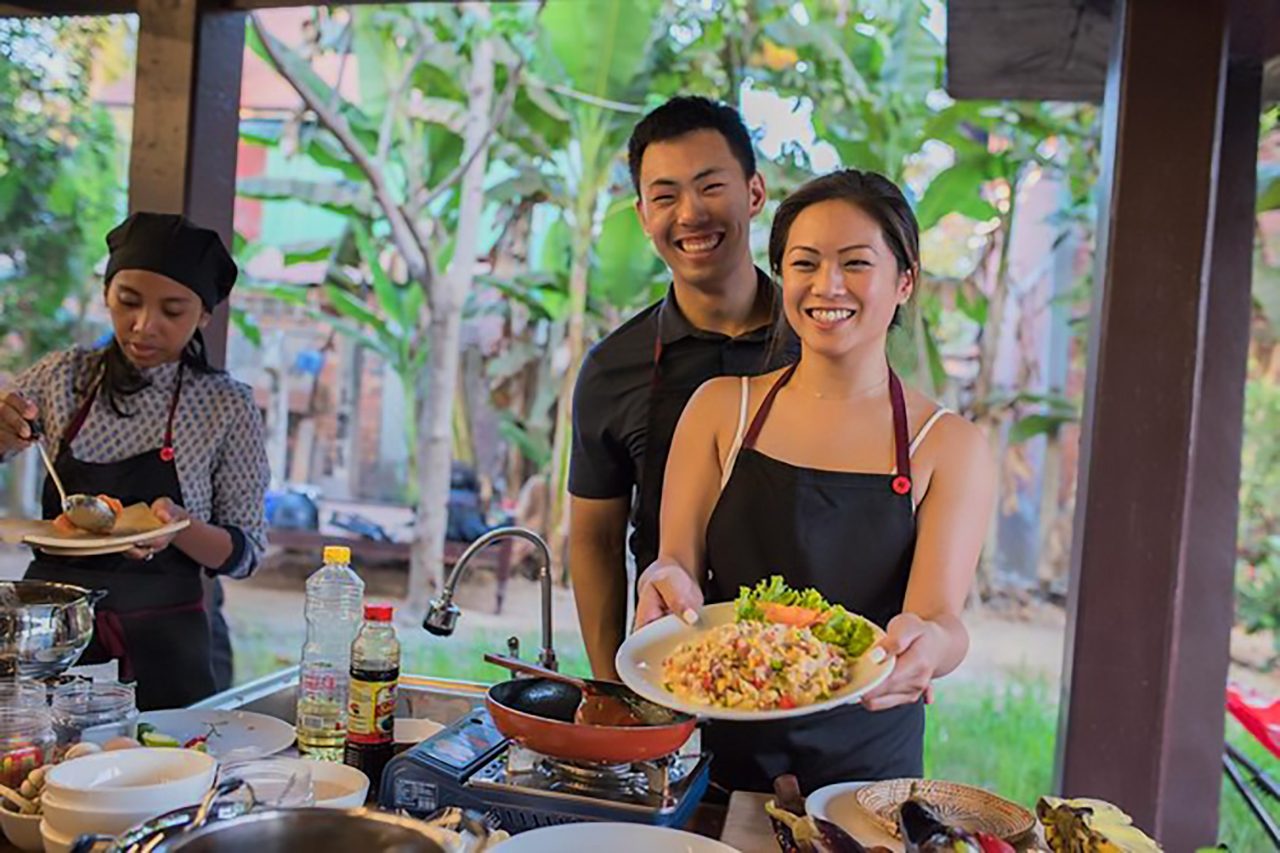
A cooking school in Siem Reap typically operates from 09:00 to 19:00 daily, with group classes priced around $25 per person for a 3-4 hour session that includes a guided market tour. The experience begins with ingredient selection at a local market, followed by preparation and cooking of traditional Khmer dishes under instructor guidance. Classes accommodate most dietary requirements when notified in advance, and the meal you prepare serves as your lunch or dinner.
Cambodian cuisine relies on a nuanced balance of lemongrass, galangal, kaffir lime, and fermented fish paste—ingredients unfamiliar to many Western kitchens but central to dishes like amok trey and nom banh chok. A cooking school siem reap experience decodes these flavors through direct engagement, starting not in the kitchen but in the market aisles where vendors sell fresh turmeric root, morning-picked herbs, and live crabs from the Tonle Sap. Most schools structure their programs around a morning or afternoon session. You meet your instructor at the school or a designated market entrance, then spend 45 minutes to an hour walking through stalls, learning to distinguish Thai basil from holy basil and selecting produce for the recipes ahead. The kitchen portion occupies the remaining two to three hours: chopping, pounding spice pastes in stone mortars, wrapping fish in banana leaves, and adjusting palm sugar and tamarind to taste. Instructors demonstrate each technique first, then guide you through your own version. Class sizes range from small private sessions to groups of eight to twelve participants, depending on the venue. The meal you cook becomes your lunch or dinner, served family-style with jasmine rice and often a complimentary dessert prepared by the school. Recipe cards are provided so you can replicate the dishes at home, though sourcing certain ingredients outside Southeast Asia requires substitutions. Many schools offer afternoon classes that finish before evening temple visits, while morning sessions suit those who prefer to spend late afternoon at Angkor Wat. The $25 price point reflects a group class; private instruction costs more but allows deeper customization of the menu. Siem Reap's cooking schools operate year-round, with no seasonal closures. The rainy season from May through October brings slightly cooler mornings and affects market produce availability—mangoes and dragon fruit peak in different months—but does not interrupt class schedules. Participants should wear closed-toe shoes for the market walk and bring sunscreen, as vendor stalls lack overhead cover. Dietary restrictions are accommodated when communicated during booking; vegetarian and vegan adaptations replace fish sauce with soy-based alternatives and omit seafood from the amok recipe.
“Cambodian cuisine relies on a nuanced balance of lemongrass, galangal, kaffir lime, and fermented fish paste—ingredients unfamiliar to many Western kitchens but central to traditional Khmer dishes.”
The cooking school operates daily throughout the week, including weekends, to accommodate various schedules.
The best arrival window is between 09:00 and 16:00, as this ensures sufficient time to complete the traditional market tour before beginning food preparation and the cooking session. Planning your visit within this timeframe allows for a comprehensive experience without rushing through the curriculum.
Dry, 25°C to 30°C
Cooler weather makes outdoor market tours comfortable. Peak tourist season often leads to larger class sizes.
Hot, 30°C to 35°C
Higher temperatures arrive. Classes are often quieter during the midday heat.
Humid, 26°C to 32°C
Frequent rain showers occur. Classes remain consistent as much of the activity takes place under cover.
—
Mid-week morning sessions typically offer a more intimate environment with fewer participants.
Verdict: The best time to attend is Tuesday to Thursday between 09:00 and 16:00 during the months of November or February.
A typical cooking school session in Siem Reap follows a structured flow from market exploration to meal preparation and dining. The entire experience spans 3-4 hours, guiding you through ingredient selection, hands-on cooking techniques, and the communal meal that concludes the class.
Arrive at the designated meeting point in Krong Siem Reap during your scheduled time slot. Instructors typically provide a brief overview of the day's menu and answer initial questions before departing for the market.
Walk through a nearby Khmer market with your instructor to source fresh ingredients, learning to identify local herbs, vegetables, and proteins. Many participants overlook asking about ingredient substitutions available in their home country—note these during the tour.
Set up your cooking station at the school and start prepping ingredients under supervision, including washing, chopping, and measuring components for your chosen dishes. Follow the instructor's knife techniques closely, as Khmer cutting styles differ from Western methods and affect cooking times.
Work through each recipe with instructor guidance, learning techniques like paste grinding, wok control, and balancing the signature sour-sweet-salty-spicy flavor profile. Taste and adjust seasoning at each stage rather than waiting until the end—this is when corrections are easiest.
Gather with other participants to enjoy the dishes you prepared, typically family-style. The instructor remains available to discuss recipes, techniques, and how to recreate the dishes at home with accessible ingredients.
A few simple preparations ensure a comfortable and productive cooking experience in both the market and kitchen.
Everything you need to know about cooking school siem reap
You will learn to prepare traditional Cambodian dishes using fresh, local ingredients under the guidance of experienced chefs. Each cooking school siem reap session typically focuses on techniques like spice paste preparation and authentic stir-frying. Participation generally involves a hands-on approach, allowing you to create your own meal from scratch.
The typical price per person for a 3-4 hour group class is 25 USD. This fee includes the necessary ingredients, expert instruction, and the practical market tour. You should confirm current availability through the provided booking links for your preferred date.
The best arrival window is between 09:00 and 16:00. Arriving within this timeframe ensures you have sufficient time for the market tour, ingredient preparation, and the full cooking process before evening hours. Following this schedule helps you avoid rushing through the curriculum provided by the cooking school siem reap.
Most classes are family-friendly and welcome children who are interested in learning about local gastronomy. It is recommended to verify any age restrictions or specific requirements directly through the booking platform. This ensures that the environment remains suitable for younger participants during the hands-on sessions.
Yes, a visit to a local market is a standard component of the experience. This allows you to explore indigenous herbs, vegetables, and regional produce used in Khmer cuisine before you return to the kitchen. It provides valuable context for the ingredients you will use during your lesson.
While walk-ins may be limited by class size, booking in advance is strongly encouraged to guarantee your spot. Using the site's booking interface allows you to secure a place in your preferred group session. Planning ahead ensures a seamless experience when visiting a cooking school siem reap.
You should bring comfortable clothing and an appetite for learning new culinary skills. Most facilities provide all necessary tools, including aprons and utensils, for your session. Ensure you have your booking confirmation ready upon arrival at the location in Krong Siem Reap.