English| EUR
Suggested for you
More currencies
Choose a language
Khmer cooking classes in Siem Reap operate on a private booking model rather than fixed admission pricing. Most providers charge per session, with rates varying by group size, duration, and whether the package includes a morning market tour before the hands-on lesson.
Quick answer
Cooking class Siem Reap price structures typically range from package-based rates for private groups rather than individual walk-in fees. Half-day sessions with market visits and multi-course preparation usually accommodate small groups, while full-day immersive workshops include additional dishes and extended instruction time. Rates depend on group size, menu complexity, and whether transportation from your hotel is included in the package.
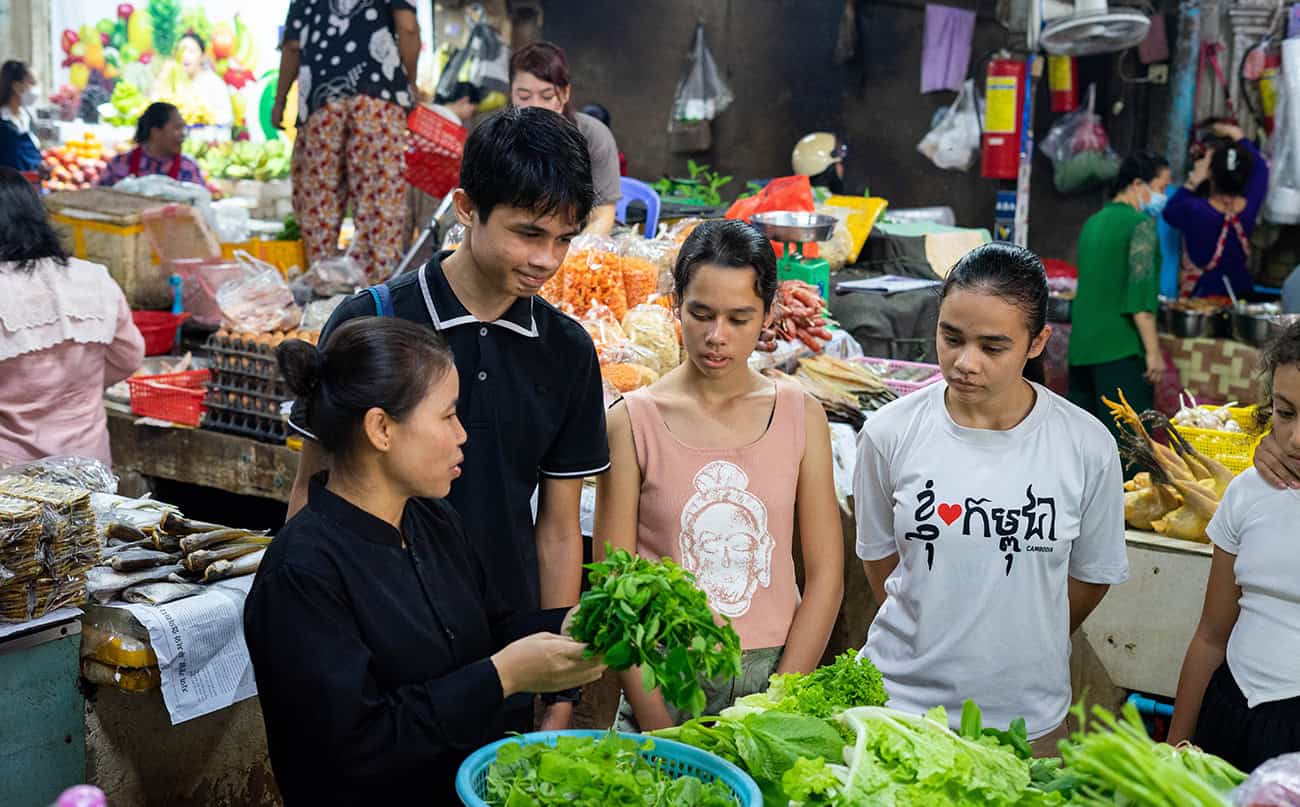
Most Khmer cooking schools in Siem Reap structure their pricing around private group bookings rather than per-person ticketing, a model that reflects the hands-on, instructor-intensive nature of the experience. Classes operate daily from 09:00 to 19:00, with no general entrance fee—guests book specific time slots as part of a culinary package. The cooking class Siem Reap price framework usually divides sessions into half-day and full-day formats. Half-day experiences typically begin with a guided market tour through Old Market or Phsar Leu, where participants source ingredients like lemongrass, galangal, kaffir lime leaves, and palm sugar alongside their instructor. The hands-on cooking portion that follows covers three to four traditional dishes—common preparations include fish amok steamed in banana leaves, beef lok lak with Kampot pepper sauce, and mango sticky rice. Full-day sessions expand the menu to six or seven recipes, often adding royal Khmer dishes or regional specialties from Battambang or Kampot provinces. Group size significantly influences per-person cost. Solo travelers and couples generally pay a premium for private instruction, while groups of four to six participants benefit from shared rates. Some schools offer tiered menus—basic packages focus on everyday Khmer staples, while premium options incorporate heirloom recipes or advanced knife techniques for preparing prahok (fermented fish paste) and kroeung (spice paste) from scratch. Transportation, recipe booklets, aprons, and the meal you prepare are standard inclusions; verify whether market entry fees or bottled water incur additional charges. Seasonal variations matter less for pricing than for ingredient availability. Monsoon months bring cheaper produce and fewer tourists, occasionally prompting promotional rates. The dry season from November through March sees higher demand, but pricing remains relatively stable year-round. Most schools request advance booking—48 hours is typical, though same-day slots occasionally open during low season. Arriving between 09:00 and 16:00 allows you to choose morning market tours followed by lunch preparation, or afternoon sessions that culminate in dinner. The Siem Reap culinary instruction model prioritizes small groups and personalized pacing, a structure that explains why package rates replace conventional ticketing.
“The private booking model allows instructors to adapt recipes and pacing to each group's skill level, from novice cooks to experienced home chefs.”
There is no public entrance fee for the Khmer Cooking Class in Siem Reap. All costs are determined by the specific private or group booking package you select.
Verdict: While there is no base entrance fee, the final cost for an adult depends entirely on the specific private or group cooking package booked.
Khmer Cooking Class operates daily to accommodate diverse visitor schedules throughout the week.
The best arrival window is 09:00–16:00, which allows sufficient time for essential market tours before transitioning into cooking sessions. Planning your visit within this period ensures you can source fresh ingredients during peak activity hours.
Dry, 25°C to 30°C
This period offers the most comfortable weather for outdoor market tours and kitchen sessions. The cooler temperatures are ideal for midday activities.
Hot, 30°C to 35°C
This season experiences higher temperatures, requiring participants to stay hydrated during market walks. Early sessions within the arrival window are recommended to avoid peak afternoon heat.
Humid with rain, 25°C to 32°C
While this is the rainy season, classes remain active and focused on indoor preparation. Occasional rainfall rarely disrupts scheduled market visits or cooking instruction.
Verdict: The optimal experience is found during the cooler, dry months of November to February, arriving between 09:00 and 11:00 to complete the market tour before lunch.
Booking a Khmer cooking class in Siem Reap typically takes 10–15 minutes online. Follow these steps to compare options, confirm availability, and secure your spot.
Compare half-day and full-day formats across local operators. Read recent reviews focusing on market-tour quality and instructor-to-student ratios rather than promotional language.
Contact providers directly via email or messaging apps two to five days ahead. Morning slots that include market visits fill faster than afternoon sessions.
Verify whether transport from your hotel, market ingredients, printed recipes, and meals are included. Mention allergies or vegetarian requirements at this stage, not on arrival.
Most operators accept bank transfer, PayPal, or card payment. Request a confirmation email with the meeting point, start time, and emergency contact number.
Screenshot or print the pickup address and instructor's phone number. Mobile data can be unreliable in residential neighborhoods where many classes operate.
Preparation ensures you get the full value from your culinary experience in Siem Reap.
Communicate allergies or restrictions at the time of inquiry so the kitchen can source appropriate substitutes before your session starts.
Since many classes include a walking tour of local markets, wear closed-toe shoes that are easy to move in on uneven surfaces.
Cambodia is humid throughout the year, so carry a reusable water bottle to stay hydrated during the market visit and active cooking phases.
Bring a small notebook or your phone to record specific spice measurements or techniques that you might otherwise forget once you return home.
While cooking areas are well-ventilated, a light layer is useful if you plan to visit a temple or religious site before or after your class.
Engage with the vendors during the ingredient sourcing segment by asking questions about the produce, as this provides deeper context for the regional flavors you will use.
Everything you need to know about cooking class siem reap price
The cooking class Siem Reap price is structured around private or group booking packages rather than a set admission fee. These packages typically bundle the instructor, kitchen equipment, fresh ingredients, and the meal you prepare. Prices vary depending on whether you choose a group session or a private lesson to master local recipes. Since there is no public entrance fee, you only pay for the specific culinary package you select. Many providers include guided market visits within their overall fee to help you source local spices and produce. This integrated approach ensures you understand the origins of ingredients like galangal, lemongrass, and prahok before you begin chopping. It is recommended to verify if your specific package includes hotel pickup and drop-off, as this can affect the total value. There are no additional entrance fees for the school itself, as costs are strictly tied to your chosen program. Be aware that most operators charge based on the number of participants, so group rates may differ from private instruction. Always confirm what is covered in your booking, such as recipe booklets or drinks, to ensure you understand the full scope of your investment. While age-based discounts exist at some venues, there is no universal pricing policy for children across all workshops. You should inquire directly with your chosen provider to see if they offer reduced rates for families or younger participants. Checking the specific package details helps avoid confusion regarding your total expenditure. The market for Cambodian culinary training is competitive, and you may find varying rates across different local venues. Comparing the inclusions, such as the duration of the market tour and the number of dishes prepared, helps you gauge the value of each offer. It is best to review multiple reputable options to find a session that matches your budget and skill level. Your payment covers all necessary resources, including fresh, locally sourced ingredients and professional guidance. Most experiences also provide a take-home recipe card so you can recreate your authentic Khmer meal at home. Beverages and aprons are generally provided as part of the standard booking.